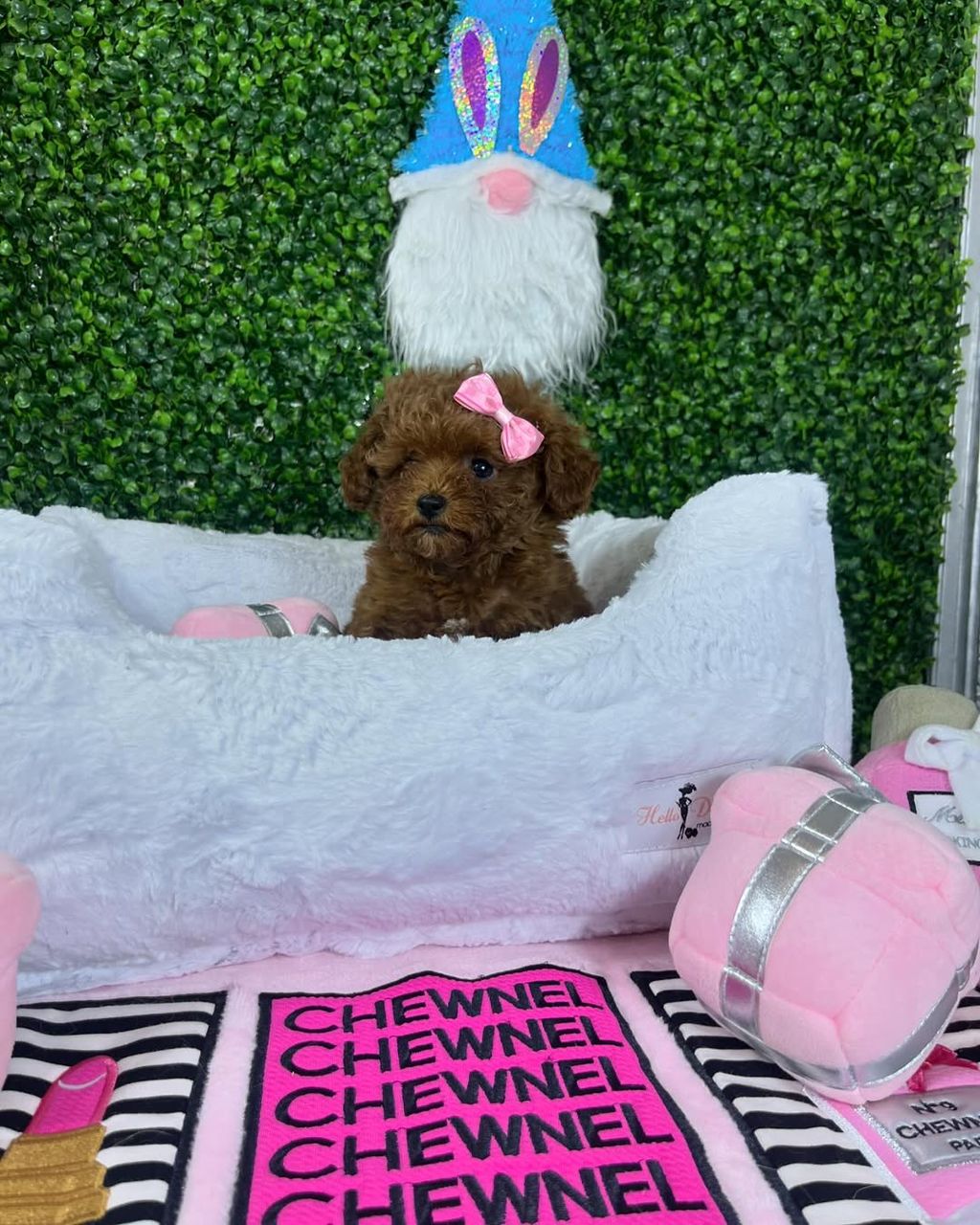
Description
Teacup Poodles: Everything You Need to Know Before Bringing One Home
Teacup Poodles are among the most sought-after companion dogs in the world. Their adorable appearance, remarkable intelligence, affectionate personality, and compact size make them a favorite for families, seniors, and apartment dwellers alike. Although they are tiny, these little companions possess huge personalities and develop strong bonds with their owners.
If you’re considering adding one to your family, understanding their care requirements, health considerations, grooming needs, and temperament is essential. This comprehensive guide will help you make an informed decision while ensuring your Teacup Poodles enjoy a happy, healthy, and fulfilling life.
What Are Teacup Poodles?
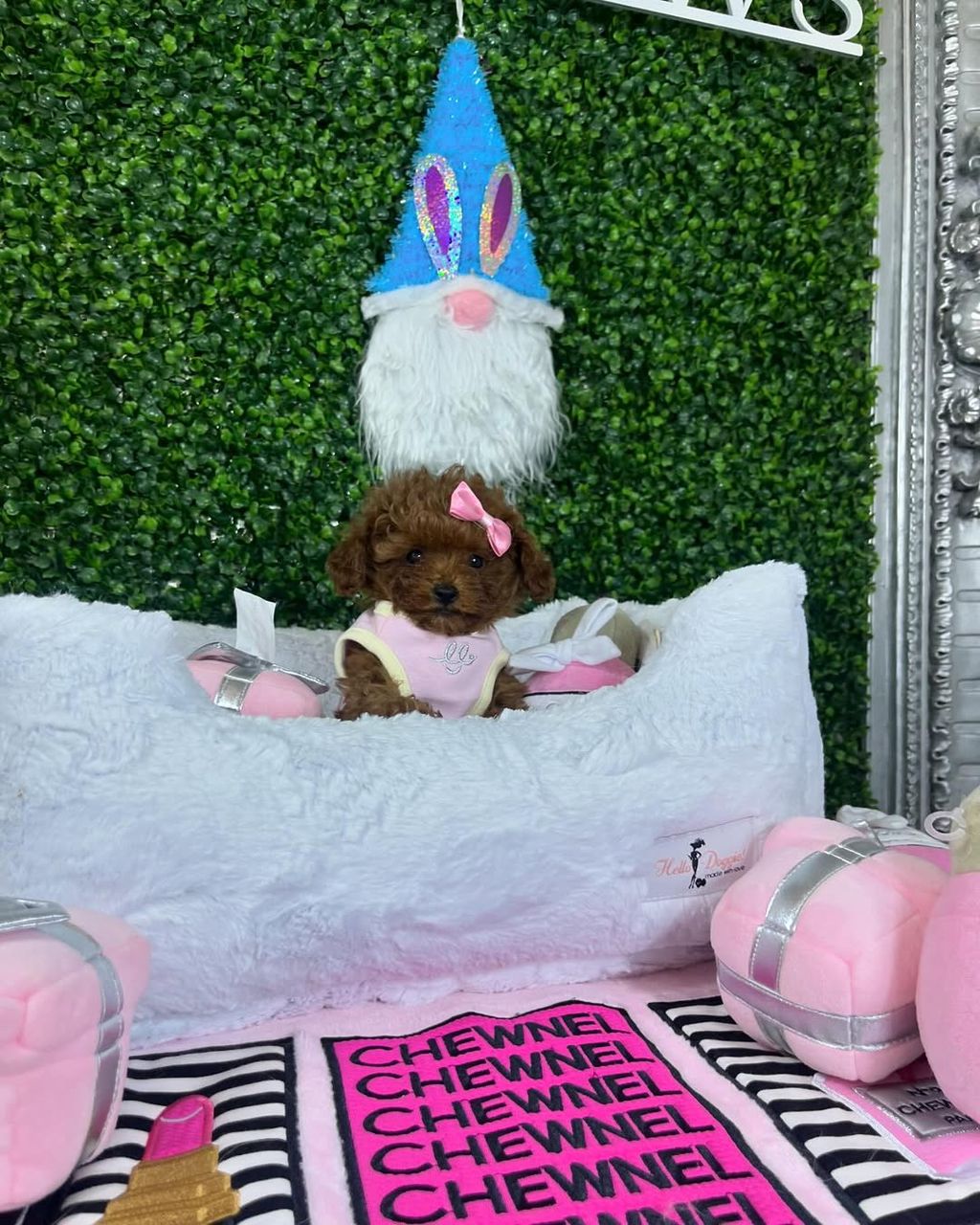
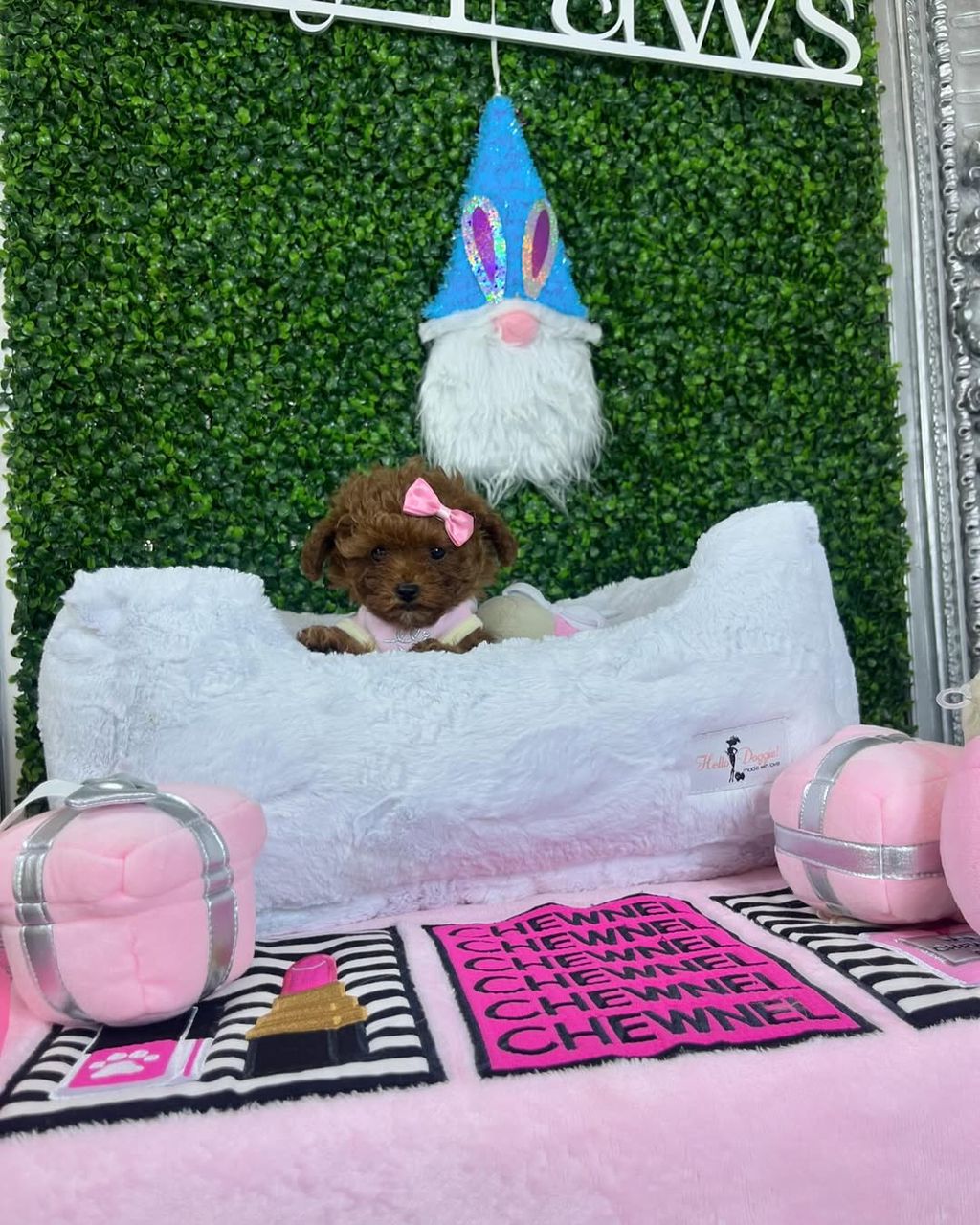
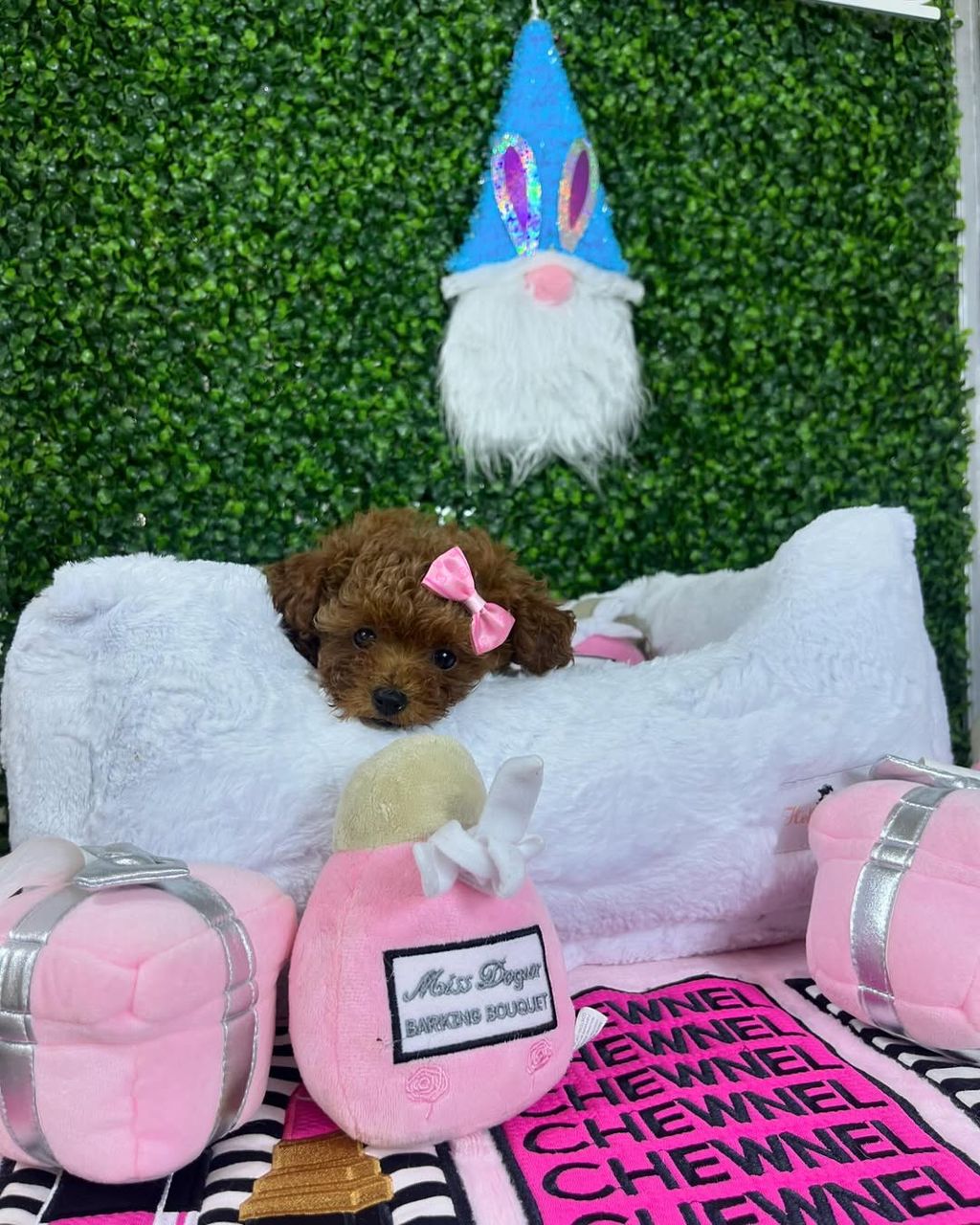
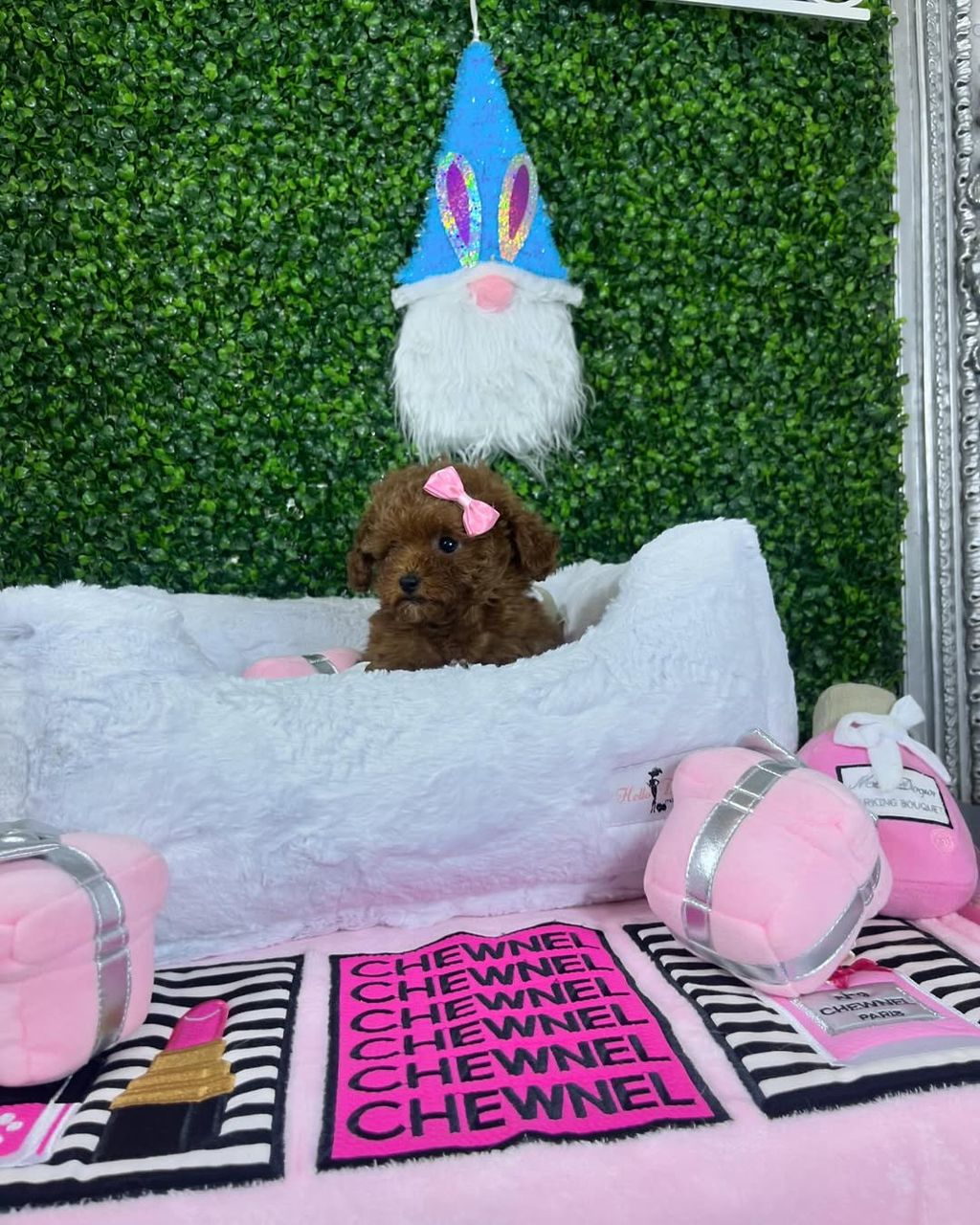
The term Teacup Poodles refers to exceptionally small Poodles selectively bred from Toy Poodles. While they are not officially recognized as a separate breed, they have become incredibly popular due to their tiny size and charming personalities.
Most adult Teacup Poodles typically:
- Weigh between 2–6 pounds
- Stand approximately 6–9 inches tall
- Live 12–16 years with excellent care
- Have curly, low-shedding coats
Their intelligence consistently places them among the smartest dog breeds worldwide.
For more information about responsible dog ownership, visit the American Kennel Club:
https://www.akc.org/
Why Teacup Poodles Make Wonderful Family Pets
One reason Teacup Poodles continue to grow in popularity is their exceptional temperament.
These tiny companions are known for being:
- Extremely affectionate
- Highly intelligent
- Loyal to their families
- Easy to train
- Friendly toward children when handled gently
- Social with other pets after proper introductions
Their eagerness to please makes them ideal for first-time dog owners who are willing to invest time in training and socialization.
Personality Traits of Teacup Poodles
Every puppy has its own unique personality, but most Teacup Poodles share several common characteristics.
Highly Intelligent
Poodles consistently rank among the world’s smartest dogs. They quickly learn commands, routines, and even advanced tricks.
Loving Companions
These puppies thrive on human interaction. They enjoy cuddling, following their owners around the home, and participating in everyday activities.
Playful Energy
Despite their tiny size, Teacup Poodles love playing games, solving puzzles, and learning new skills.
Alert Watchdogs
Although they aren’t guard dogs, they often alert owners when visitors arrive.
Caring for Teacup Poodles
Proper daily care ensures your Teacup Poodles remain healthy throughout their lives.
Nutrition
A balanced, high-quality diet supports:
- Healthy growth
- Strong immune function
- Proper muscle development
- Healthy skin
- Beautiful coat condition
Feed measured portions several times daily, especially during puppyhood, to help maintain healthy blood sugar levels.
Learn about balanced canine nutrition through the World Small Animal Veterinary Association:
https://wsava.org/
Exercise Requirements for Teacup Poodles
Although tiny, Teacup Poodles enjoy daily exercise.
Recommended activities include:
- Short neighborhood walks
- Indoor fetch
- Puzzle toys
- Gentle play sessions
- Interactive games
Avoid excessive jumping or rough play because their delicate bones can be easily injured.
Grooming Teacup Poodles
One of the most distinctive features of Teacup Poodles is their beautiful curly coat.
Routine grooming includes:
Brushing
Brush their coat several times weekly to prevent matting.
Bathing
Bathe every 3–4 weeks using gentle puppy shampoo.
Nail Trimming
Trim nails monthly to avoid discomfort.
Ear Cleaning
Regular ear cleaning helps prevent infections.
Dental Care
Brush teeth daily to reduce plaque buildup and promote healthy gums.
Health Considerations for Teacup Poodles
Like all breeds, Teacup Poodles may experience certain health conditions.
Responsible breeders prioritize health testing to reduce inherited issues.
Potential concerns include:
- Dental disease
- Patellar luxation
- Hypoglycemia
- Progressive retinal atrophy
- Heart conditions
- Collapsed trachea
- Fragile bones
Routine veterinary care helps identify problems early.
Reliable veterinary health information is available through the American Veterinary Medical Association:
https://www.avma.org/
Training Teacup Poodles
Training should begin immediately after bringing your puppy home.
Basic Commands
Teach:
- Sit
- Stay
- Come
- Down
- Leave it
Potty Training
Consistency is key.
Maintain:
- Regular feeding schedule
- Frequent outdoor breaks
- Positive reinforcement
- Patience
Socialization
Expose your puppy to:
- Different people
- Gentle children
- Friendly dogs
- Various sounds
- New environments
Proper socialization builds confidence and reduces fearfulness.
Best Living Environment for Teacup Poodles
One major advantage of Teacup Poodles is their adaptability.
They thrive in:
- Apartments
- Condominiums
- Family homes
- Retirement communities
- Urban settings
However, they should always live indoors because their tiny size makes them vulnerable to extreme temperatures.
Choosing Healthy Teacup Poodles
Finding healthy Teacup Poodles begins with selecting a responsible breeder.
Look for breeders who:
- Provide veterinary records
- Offer vaccination documentation
- Perform genetic health testing
- Socialize puppies early
- Maintain clean facilities
- Answer questions honestly
- Offer ongoing support after adoption
Avoid purchasing puppies from breeders who refuse to provide health information.
Preparing Your Home for Teacup Poodles
Before your puppy arrives, prepare a safe environment.
Essential supplies include:
- Puppy food
- Food and water bowls
- Comfortable bed
- Crate
- Collar
- Harness
- Leash
- Grooming supplies
- Puppy-safe toys
- Training treats
Remove electrical cords, toxic plants, and choking hazards from accessible areas.
Common Myths About Teacup Poodles
Many misconceptions surround Teacup Poodles.
Myth: They Are Fragile All the Time
While small, healthy puppies can enjoy active lifestyles with appropriate supervision.
Myth: They Cannot Be Trained
In reality, they are among the easiest breeds to train.
Myth: They Never Need Exercise
Daily mental and physical stimulation remains essential.
Myth: They Don’t Shed at All
Although low-shedding, they still require frequent grooming.
Are Teacup Poodles Good with Children?
Yes—provided interactions are supervised.
Children should learn:
- Gentle handling
- Respect for the puppy’s size
- Appropriate play
- Proper lifting techniques
Because of their delicate frame, rough handling should always be avoided.
Traveling with Teacup Poodles
Their small size makes Teacup Poodles excellent travel companions.
When traveling:
- Use an airline-approved carrier
- Bring fresh water
- Pack familiar toys
- Carry vaccination records
- Schedule regular rest breaks during long trips
Proper preparation helps reduce stress for both puppy and owner.
Why Teacup Poodles Continue Growing in Popularity
The popularity of Teacup Poodles continues to rise because they combine intelligence, elegance, loyalty, and affection in an incredibly compact package.
Their adaptability allows them to fit into many lifestyles, making them excellent companions for individuals, couples, and families alike.
With responsible breeding, proper healthcare, regular grooming, quality nutrition, and consistent training, these remarkable puppies can bring years of love and companionship.
Frequently Asked Questions About Teacup Poodles
Are Poodles hypoallergenic?
No dog is completely hypoallergenic, but Teacup Poodles are considered one of the best breeds for allergy sufferers due to their low-shedding coats.
How long do Poodles live?
With excellent care, many live between 12 and 16 years.
Are Poodles easy to train?
Yes. Their exceptional intelligence and eagerness to please make training relatively easy using positive reinforcement.
Do Poodles bark a lot?
They may bark to alert owners, but proper training helps minimize excessive barking.
How often should Poodles be groomed?
Brush several times each week and schedule professional grooming every 4–8 weeks to keep their coat healthy.
Conclusion
Poodles are affectionate, intelligent, and loyal companions that thrive with attentive care and responsible ownership. Their charming personalities, trainability, and compact size make them ideal pets for many households. By choosing a healthy puppy from a reputable breeder, providing balanced nutrition, consistent training, regular veterinary care, and plenty of love, you can enjoy many wonderful years with your Poodle. Whether you’re a first-time dog owner or an experienced pet parent, these delightful little dogs have the potential to become cherished members of your family for years to come.
Recommended DoFollow External Links
- American Kennel Club (AKC) – Breed information and responsible dog ownership
- American Veterinary Medical Association (AVMA) – Pet health and veterinary care
- World Small Animal Veterinary Association (WSAVA) – Global pet health and nutrition guidelines
- Cornell University College of Veterinary Medicine – Canine health information
- UC Davis School of Veterinary Medicine – Pet health resources



Reviews
There are no reviews yet.