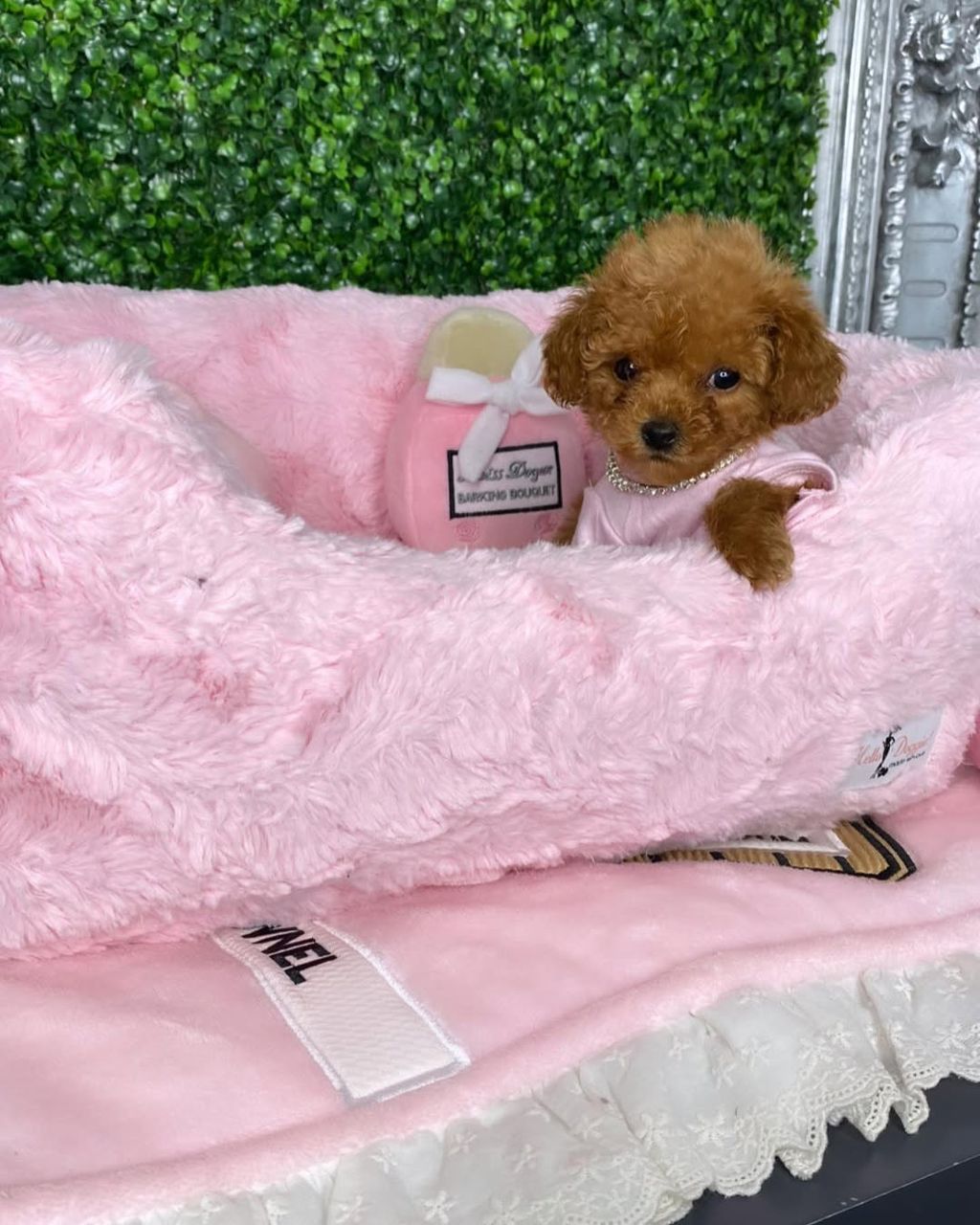

Teacup Yorkie Terrier Puppies: 9 Powerful Tips for Finding a Happy, Healthy Companion
Teacup Yorkie Terrier puppies are often admired for their tiny size, beautiful coats, lively personalities, and affectionate nature. Yorkshire Terriers are small companion dogs with the confidence and curiosity of a true terrier. Their compact size can make them appealing to families and individuals living in apartments or smaller homes.
However, choosing a puppy should involve much more than appearance or size. A responsible puppy search should focus on health, temperament, socialization, breeder practices, veterinary care, and the long-term needs of the dog.
It is also important to understand that “teacup” is not an official size designation recognized by the American Kennel Club (AKC). The AKC cautions that puppies marketed specifically for extremely small size may face increased health concerns.
What Are Teacup Yorkie Terrier Puppies?
The term teacup yorkie terrier puppies is commonly used in advertising to describe exceptionally small Yorkshire Terrier puppies. However, prospective owners should look beyond marketing terminology and learn about the actual breed.
The Yorkshire Terrier is a toy breed known for its alert, energetic, affectionate, and confident personality. Despite being small, Yorkies still have terrier instincts and benefit from exercise, training, mental stimulation, and social interaction.
The AKC notes that Yorkshire Terriers can be intelligent, energetic companions and recommends appropriate health screening by responsible breeders. Recommended breed-club health evaluations include patella and ophthalmologist examinations.
Why Choose Teacup Yorkie Terrier Puppies?
Yorkshire Terriers can be wonderful companions for people who understand their needs. They are small enough to fit comfortably into many living environments while still enjoying walks, games, training, and exploration.
Their coat is another distinctive feature. Yorkies have hair that is more similar to human hair than typical dog fur, and maintaining a longer coat requires regular grooming and brushing.
Potential owners should consider whether they have enough time for:
- Daily companionship
- Regular grooming
- Training and socialization
- Appropriate exercise
- Preventive veterinary care
- Nutritious food
- Safe indoor and outdoor activities
The AVMA recommends choosing a dog according to your household, lifestyle, available time, living environment, and ability to provide lifelong care.
1. Research Before Choosing Teacup Yorkie Terrier Puppies
Research is one of the most important steps when looking for a Yorkshire Terrier puppy.
Learn about the breed’s temperament, grooming requirements, exercise needs, common health concerns, nutrition, training, and expected adult characteristics. Avoid making a decision based solely on photographs, extremely small size, color, or promotional claims.
A responsible puppy search should give you enough information to determine whether a Yorkie is genuinely suitable for your lifestyle.
You should also research the person or organization offering the puppy. Responsible breeders should be willing to answer questions and provide meaningful information about the puppy’s parents, environment, health history, and care.
2. Look for Responsible Breeding Practices
When considering teacup yorkie terrier puppies, pay close attention to how the puppies and their parents are raised.
A responsible breeder should prioritize the health and temperament of the dogs rather than breeding specifically for an extreme physical trait.
The AKC recommends visiting a breeder or kennel when possible, observing the environment, seeing at least one parent, and checking whether the puppies appear clean, lively, well-fed, and comfortable around people.
Ask questions such as:
- Can I meet the puppy’s parents?
- What health evaluations have been performed?
- What veterinary care has the puppy received?
- What vaccinations and deworming have been completed?
- How have the puppies been socialized?
- What food is the puppy currently eating?
- Can I review the puppy’s health records?
- What support is available after the puppy goes home?
A breeder who welcomes reasonable questions is generally easier to work with than someone who pressures buyers to make immediate decisions.
3. Pay Attention to Puppy Health
A healthy-looking puppy should be active, alert, and comfortable with normal handling. The AVMA recommends looking for signs such as bright eyes, a clean coat, appropriate body condition, and an active, friendly temperament.
Because very small puppies may have special needs, veterinary guidance is especially important.
Before purchasing or adopting, ask for available health records and arrange an examination with your veterinarian. Your veterinarian can help evaluate the puppy and establish an appropriate preventive-care program.
Do not rely solely on a seller’s statement that a puppy is “healthy.” Professional veterinary evaluation provides a much stronger foundation for responsible ownership.
4. Socialization Matters for Teacup Yorkie Terrier Puppies
Early socialization can influence how a puppy responds to people, animals, sounds, handling, and new environments.
The American Kennel Club explains that the first months of a puppy’s life are particularly important for developing confidence and appropriate responses to the world around them.
Good socialization can include controlled, positive exposure to:
- Different people
- Household sounds
- Gentle handling
- Safe surfaces
- Appropriate toys
- Car rides
- Grooming routines
- New environments
- Well-socialized, healthy dogs
Socialization should be gradual and positive rather than overwhelming. Because puppies may not yet have completed their vaccination series, consult your veterinarian about safe opportunities for socialization.
5. Start Training Early
Small size does not mean a Yorkie does not require training.
Teacup yorkie terrier puppies can benefit from positive-reinforcement training beginning at an appropriate age. Teach simple behaviors such as responding to their name, coming when called, sitting, walking on a leash, and accepting gentle handling.
House-training should also begin with a consistent routine. Take the puppy to the appropriate bathroom area regularly and reward desired behavior.
Harsh corrections are unnecessary. Consistent routines, patience, praise, and appropriate rewards can make learning more enjoyable for both puppy and owner.
The AKC notes that Yorkshire Terriers are intelligent and can participate successfully in activities such as obedience and agility when properly trained.
6. Understand Yorkie Grooming Requirements
One of the most recognizable characteristics of a Yorkshire Terrier is its coat.
If the coat is kept long, regular brushing is important to help prevent tangles and mats. The AKC recommends regular grooming and notes that the hair around the top of the head may require special attention to help prevent eye irritation.
A basic grooming routine can include:
- Regular brushing
- Appropriate bathing
- Nail trimming
- Ear checks
- Dental care
- Coat trimming
- Professional grooming when necessary
Starting grooming routines while your puppy is young can help make future grooming sessions easier.
7. Provide Appropriate Nutrition
Nutrition is an important part of raising a healthy puppy.
Choose a complete and balanced puppy food appropriate for the dog’s age and size. Follow feeding guidance from your veterinarian and monitor the puppy’s body condition as it grows.
Very small puppies should not be fed based solely on assumptions about their size. Feeding frequency and nutritional requirements should be discussed with a veterinarian, particularly when a puppy is exceptionally small.
Fresh water should always be available.
The AKC recommends feeding Yorkshire Terriers a quality diet appropriate for their life stage and monitoring calorie intake to help maintain a healthy weight.
8. Prepare Your Home Before the Puppy Arrives
Before bringing teacup yorkie terrier puppies home, create a safe and comfortable environment.
Because Yorkies are small, household hazards that may seem insignificant to people can be dangerous for a tiny puppy. Secure electrical cords, small objects, toxic substances, medications, and other items that could be chewed or swallowed.
Prepare:
- Food and water bowls
- Appropriate puppy food
- A comfortable sleeping area
- Safe toys
- Collar and identification
- Leash
- Grooming supplies
- Puppy pads if appropriate
- Cleaning supplies
- A secure travel carrier
A designated puppy area can also make early house-training and supervision easier.
9. Plan for Lifelong Care
Buying or adopting a puppy is a long-term responsibility rather than a short-term purchase.
The AVMA emphasizes that dog ownership includes responsibility for food, shelter, companionship, exercise, mental health, physical health, veterinary care, and appropriate supervision throughout the dog’s life.
Before choosing a puppy, consider whether your lifestyle can accommodate the dog’s needs for many years.
Regular veterinary examinations, vaccinations, parasite prevention, dental care, grooming, exercise, training, and nutritious food are all part of responsible ownership.
Choosing Teacup Yorkie Terrier Puppies Responsibly
When searching for teacup yorkie terrier puppies, focus on the puppy’s overall well-being rather than simply selecting the smallest puppy available.
Ask questions, inspect the living environment, review health information, meet the parents when possible, and seek professional veterinary advice. A responsible breeder or adoption organization should care about finding an appropriate home for the puppy rather than simply completing a transaction.
Remember that the word “teacup” describes a marketing term rather than an officially recognized Yorkie size category. The AKC specifically advises buyers to be cautious about breeders promoting extremely small “teacup” puppies because extreme smallness can be associated with health problems.
Frequently Asked Questions About Teacup Yorkie Terrier Puppies
Are teacup Yorkies an official breed?
No. “Teacup” is not an official breed or size designation recognized by the AKC. It is commonly used in marketing to describe unusually small dogs.
Are Teacup Yorkie Terrier Puppies Good Family Dogs?
Yorkshire Terriers can make affectionate companions, but individual temperament varies. Families should consider the puppy’s personality, the children’s ages, supervision requirements, and the dog’s need for training and care.
How Much Exercise Does a Yorkie Need?
Despite their small size, Yorkshire Terriers need regular physical activity and mental stimulation. Short walks, play sessions, and training activities can provide useful exercise.
How Should a Yorkie Puppy Be Socialized?
Introduce the puppy gradually and positively to people, sounds, environments, handling, and appropriate dogs. Ask your veterinarian how to balance socialization with protection against infectious diseases while vaccinations are still in progress.
What Should I Ask a Yorkie Breeder?
Ask about health testing, parent dogs, veterinary records, socialization, nutrition, vaccination and deworming history, living conditions, and ongoing support. Responsible breeders should be comfortable discussing these subjects.
Final Thoughts
Teacup yorkie terrier puppies can be appealing because of their tiny appearance and lively personalities, but responsible puppy ownership begins with education. Look beyond size and photographs and concentrate on health, temperament, responsible breeding, early socialization, nutrition, grooming, training, and lifelong veterinary care.
A carefully researched decision can help you find a puppy that is a good fit for your household while supporting responsible practices within the dog-breeding community.
Recommended External Resources
- American Kennel Club – Yorkshire Terrier: A useful breed reference covering Yorkie temperament, grooming, exercise, training, nutrition, and recommended health evaluations. AKC Yorkshire Terrier Breed Guide
- American Kennel Club – Responsible Breeders: Guidance for evaluating breeders, puppy environments, and responsible breeding practices. AKC Responsible Breeders Guide
- American Kennel Club – Responsible Breeder Guide: Additional information about identifying responsible breeders and evaluating puppies. AKC Signs of a Responsible Dog Breeder
- American Veterinary Medical Association – Selecting a Pet Dog: Veterinary guidance on choosing a dog, preparing your home, puppy care, socialization, and lifelong responsibility. AVMA Selecting a Pet Dog