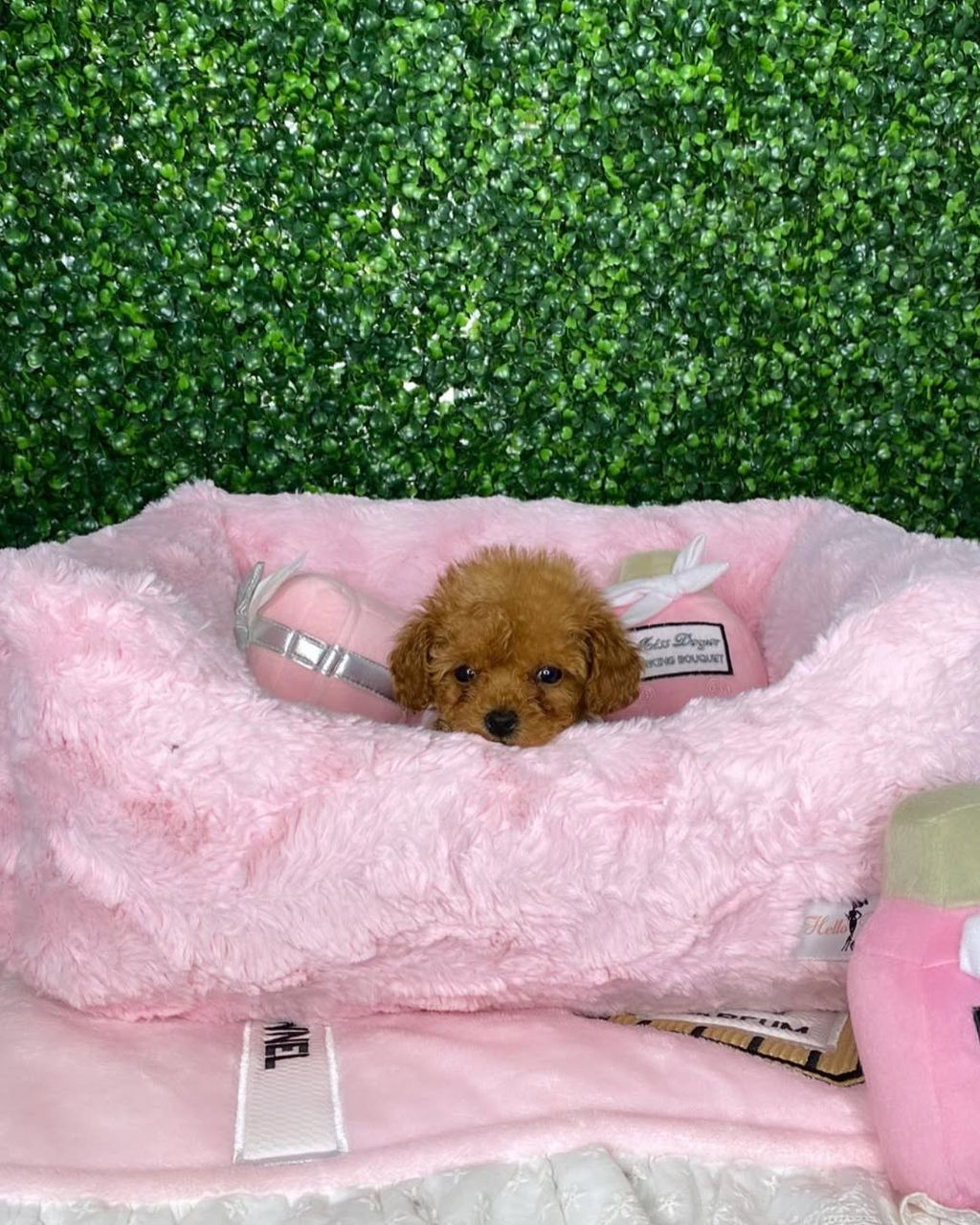

Teacup Yorkies: 9 Powerful Tips for Choosing a Healthy and Happy Puppy
Teacup Yorkies are often admired for their tiny appearance, silky coats, lively personalities, and affectionate nature. Yorkshire Terriers are already a toy-sized breed, and the term “teacup” is commonly used in advertisements to describe exceptionally small Yorkies.
However, prospective owners should understand that “teacup” is not an official size designation recognized by the American Kennel Club (AKC). The AKC advises buyers to be cautious when breeders specifically market puppies as “teacup,” because extreme smallness can be associated with health concerns.
For anyone considering a Yorkie puppy, the most important factors should be health, temperament, responsible breeding, socialization, grooming, nutrition, training, and the ability to provide lifelong care.
What Are Teacup Yorkies?
The term teacup Yorkies generally refers to Yorkshire Terriers that are unusually small. It is a marketing description rather than a separate breed.
The Yorkshire Terrier is a recognized toy breed with a compact body, silky coat, and confident terrier personality. Despite their small appearance, Yorkies can be energetic, intelligent, alert, and surprisingly bold.
The AKC describes the Yorkshire Terrier as a compact toy-size terrier with a silky coat and a personality that reflects its terrier heritage.
This is important for new owners to understand. A tiny dog should not automatically be treated as a fragile decoration or accessory. Yorkies still need exercise, training, socialization, mental stimulation, grooming, veterinary care, and plenty of companionship.
Why Are Teacup Yorkies So Popular?
There are several reasons people are attracted to very small Yorkshire Terriers.
Their compact size can make them convenient companions for people living in apartments or homes with limited space. Their attractive coat and expressive faces also contribute to their popularity.
Yorkies can be affectionate and enjoy spending time with their owners. They may also enjoy short walks, interactive games, training exercises, and supervised play.
However, choosing a puppy simply because it is extremely small can be risky. The AVMA recommends selecting a dog based on your lifestyle, household, available time, living environment, and ability to provide appropriate lifelong care.
1. Research Teacup Yorkies Before Buying
Before searching for teacup Yorkies, learn about the Yorkshire Terrier as a breed.
Research its:
- Temperament
- Grooming requirements
- Exercise needs
- Training requirements
- Nutritional needs
- Common health concerns
- Socialization requirements
- Long-term care requirements
This research can help you determine whether a Yorkie is genuinely suitable for your household.
It is also important to research the breeder or organization offering the puppy. Ask where the puppy was raised, how it was socialized, what veterinary care it has received, and what information is available about its parents.
The AVMA recommends avoiding impulsive pet purchases and carefully considering whether a particular dog fits the family’s lifestyle.
2. Choose a Responsible Source for Teacup Yorkies
Finding a responsible breeder should be more important than finding the smallest possible puppy.
A responsible breeder should prioritize the health and temperament of the parent dogs and puppies. They should also be willing to answer questions and provide appropriate health documentation.
The AKC recommends visiting a breeder when possible, observing the living environment, meeting at least one parent, and checking whether the puppies appear clean, lively, well-fed, and friendly.
When speaking with a breeder, consider asking:
- Can I meet the puppy’s parents?
- What health screening has been performed?
- Can I see veterinary records?
- What vaccinations has the puppy received?
- Has the puppy been dewormed?
- How has the puppy been socialized?
- What food is the puppy currently eating?
- What support is available after the puppy goes home?
A breeder who welcomes thoughtful questions is generally preferable to one who pressures you to purchase immediately.
3. Understand Health Testing
Health testing is an important part of responsible breeding.
The AKC explains that health-testing recommendations are developed according to breed-specific considerations and that responsible breeders use appropriate screening to help make informed breeding decisions.
For Yorkshire Terriers, the AKC lists patella evaluation and ophthalmologist evaluation among the recommended health tests from the national breed club.
When considering teacup Yorkies, ask the breeder for information about health testing performed on the parents.
Health testing cannot guarantee that a puppy will never become ill, but it can provide useful information and demonstrate that the breeder takes responsible breeding seriously.
4. Be Careful About Extremely Small Teacup Yorkies
One of the most important considerations when looking at teacup Yorkies is the emphasis on extremely small size.
The AKC specifically warns that “teacup” is not an acknowledged size designation and that dogs deliberately bred for extreme smallness may be susceptible to health problems, including difficulty maintaining blood-sugar levels.
For this reason, prospective owners should not assume that the smallest puppy is automatically the best puppy.
Instead, look for a puppy with a good overall health profile, appropriate development, stable temperament, and responsible breeding background.
The goal should be a healthy companion rather than an extreme physical characteristic.
5. Grooming Teacup Yorkies
Yorkshire Terriers are well known for their beautiful, silky coats.
If the coat is maintained long, regular brushing is necessary to prevent tangles and mats. The AKC recommends daily brushing for Yorkies kept in a long coat.
A grooming routine can include:
- Regular brushing
- Bathing when appropriate
- Nail care
- Ear checks
- Dental care
- Coat trimming
- Professional grooming when necessary
Introducing grooming gradually while a puppy is young can make future grooming sessions easier.
Grooming is also an excellent opportunity to become familiar with your puppy’s normal appearance. Regular handling can help you notice changes involving the skin, ears, eyes, coat, teeth, or nails.
6. Provide Proper Nutrition
Nutrition is an essential part of raising healthy teacup Yorkies.
Choose a complete and balanced puppy diet appropriate for the puppy’s age and individual needs. Feeding amounts should be determined according to factors such as age, size, activity, growth, and veterinary recommendations.
Do not create a feeding plan simply because a puppy is marketed as “teacup.”
Very small puppies may require particular attention to their nutritional routine, so owners should discuss feeding with a veterinarian.
Always provide clean, fresh water.
Your veterinarian can also advise you about body condition, appropriate treats, feeding frequency, and nutritional changes as the puppy matures.
7. Start Training Early
Small size does not eliminate the need for training.
Teacup Yorkies can be intelligent and confident dogs, so establishing appropriate habits early is valuable. Begin with simple commands such as:
- Sit
- Come
- Stay
- Name recognition
- Leash walking
- Appropriate chewing
- House-training
Positive reinforcement can make learning more enjoyable. Reward desired behavior with praise, appropriate treats, or play.
Avoid harsh training methods. Consistency and patience are especially important during puppyhood.
A well-trained Yorkie can be easier to manage around visitors, other pets, and unfamiliar environments.
8. Socialize Teacup Yorkies Carefully
Early socialization can help puppies become more comfortable with the world around them.
The AVMA notes that proper puppy socialization can have a significant influence on future behavior. It also recommends consulting a veterinarian about how to socialize a puppy safely while managing disease risks during the vaccination period.
Appropriate socialization can include gradual exposure to:
- Different people
- Household sounds
- Gentle handling
- New surfaces
- Safe environments
- Grooming
- Car rides
- Appropriate, healthy dogs
Keep experiences positive and age-appropriate. Avoid overwhelming a nervous puppy.
9. Prepare Your Home for Teacup Yorkies
Before bringing a puppy home, make your living space safe.
Because very small dogs can easily access spaces and objects that larger dogs cannot, pet-proofing is especially important.
Keep electrical cables, medications, cleaning products, small objects, and potentially dangerous foods out of reach.
Prepare the essentials before arrival:
- Comfortable sleeping area
- Puppy food
- Food and water bowls
- Safe toys
- Collar and identification
- Leash
- Travel carrier
- Grooming supplies
- Appropriate cleaning products
The AVMA recommends preparing a safe area for eating and sleeping and pet-proofing the home before bringing a new dog into the household.
Caring for Teacup Yorkies as They Grow
Responsible ownership continues long after the puppy arrives.
Your Yorkie will need regular veterinary care, appropriate nutrition, grooming, exercise, training, dental care, mental stimulation, and companionship.
The AVMA emphasizes that owners are responsible for a dog’s food, shelter, companionship, exercise, physical health, and mental health throughout its life.
Regular veterinary visits are particularly important because they allow your veterinarian to monitor development and provide individualized preventive-care recommendations.
If your puppy shows an unusual change in appetite, behavior, energy, movement, breathing, or other health-related signs, contact your veterinarian for advice.
Are Teacup Yorkies Good Family Pets?
Yorkshire Terriers can be loving and entertaining companion dogs, but their small size means interactions with young children should be supervised.
Children should learn how to handle small dogs gently. A puppy should never be treated like a toy, carried unnecessarily, squeezed, or disturbed while eating or sleeping.
Families should also consider existing pets and household routines before bringing home a new puppy.
A good match depends on the individual dog’s temperament and the family’s ability to provide appropriate care.
Frequently Asked Questions About Teacup Yorkies
Are Teacup Yorkies a Separate Breed?
No. “Teacup” is not an officially recognized Yorkshire Terrier variety or AKC size designation. It is a term commonly used in marketing for unusually small dogs.
How Small Do Teacup Yorkies Get?
The term “teacup” does not have a standardized official size definition. Instead of focusing on an advertised weight or exceptionally tiny size, prospective owners should focus on health, development, temperament, and responsible breeding.
Are Teacup Yorkies Easy to Train?
Yorkshire Terriers are intelligent dogs that can learn many behaviors with consistent, positive training. Their small size does not mean they should be excluded from obedience training.
How Often Should Teacup Yorkies Be Groomed?
A Yorkie with a long coat generally requires frequent brushing. The AKC recommends daily brushing for a Yorkie kept in a long coat.
What Should I Ask a Teacup Yorkie Breeder?
Ask about the puppy’s parents, health testing, veterinary records, vaccinations, socialization, living conditions, feeding routine, and ongoing breeder support.
Are Teacup Yorkies Healthy?
Health varies from dog to dog. Prospective owners should prioritize responsible breeding, appropriate health screening, veterinary examinations, proper nutrition, and preventive care rather than choosing a puppy solely because of extremely small size.
Final Thoughts on Teacup Yorkies
Teacup Yorkies can be appealing because of their tiny appearance, silky coats, lively personalities, and affectionate nature. However, choosing one responsibly requires more than finding the smallest or cutest puppy.
Take time to research the Yorkshire Terrier breed, investigate the breeder, review health information, ask questions, and arrange veterinary care. Focus on the puppy’s overall health and temperament instead of relying on the “teacup” label.
A responsible approach gives your new companion the best opportunity for a safe, comfortable, and happy life. With proper nutrition, grooming, training, socialization, veterinary care, exercise, and companionship, a Yorkshire Terrier can become a wonderful long-term member of the family.
Recommended External DoFollow Resources
- AKC Yorkshire Terrier Breed Guide — Breed information covering Yorkie temperament, grooming, exercise, health, and care.
- AKC Responsible Breeder Guide — Helpful information for evaluating breeders and puppy-raising environments.
- AKC Health Testing Guide — Educational information about health screening and responsible breeding.
- AVMA Selecting a Pet Dog — Veterinary guidance on choosing a dog and preparing for lifelong ownership.
