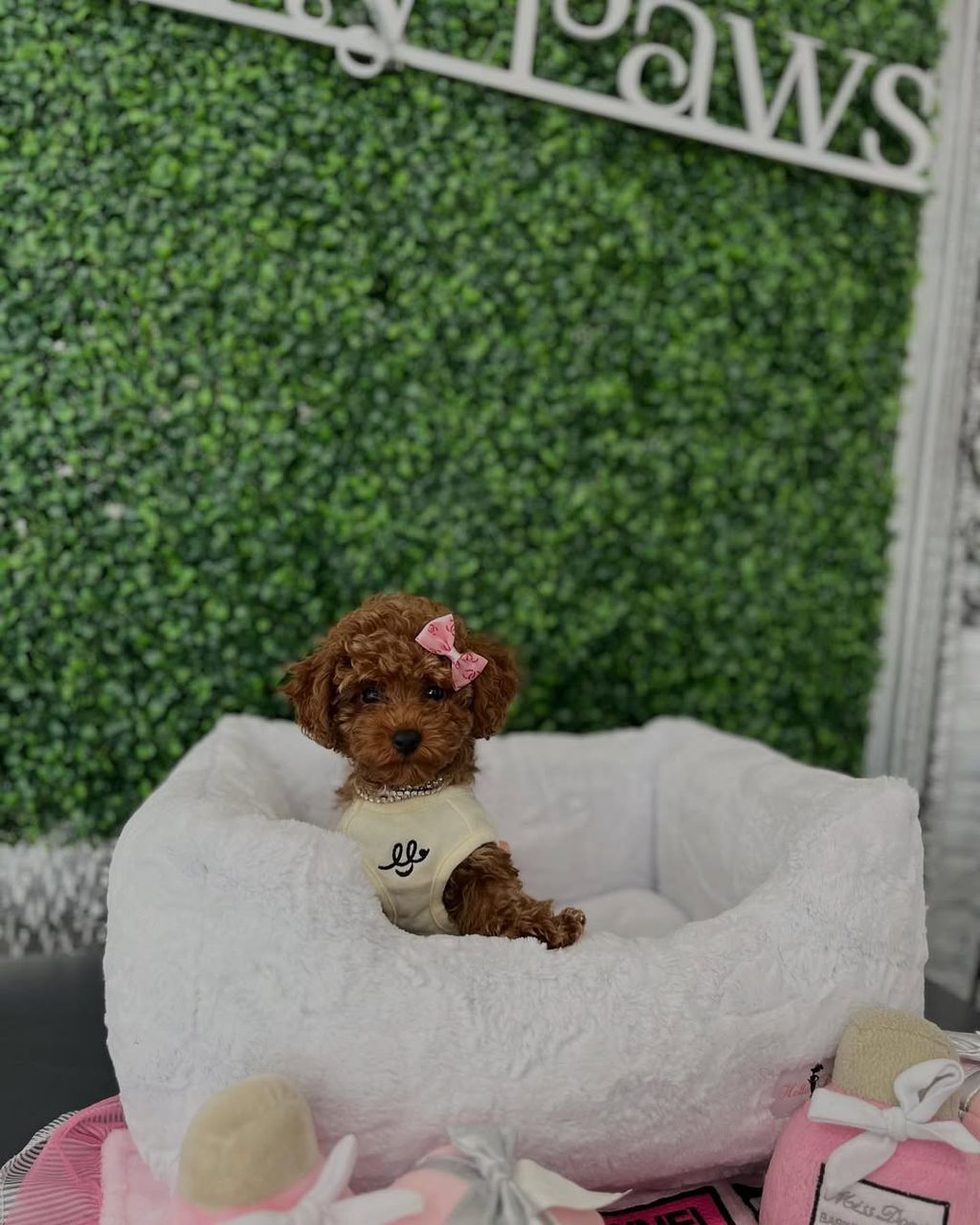

Tea Cup Poodle: 9 Powerful Tips for Choosing a Healthy and Happy Puppy
A tea cup poodle can be appealing to people who love small companion dogs with intelligent personalities, curly coats, and an elegant appearance. Poodles are known for their intelligence, athletic ability, trainability, and affectionate relationship with their owners.
However, prospective puppy owners should understand an important distinction before searching for a tea cup poodle. “Tea cup” or “teacup” is not an official Poodle variety recognized by the American Kennel Club. The AKC recognizes three Poodle varieties: Standard, Miniature, and Toy. Toy Poodles are the smallest recognized variety and stand no more than 10 inches at the shoulder.
The Poodle Club of America also describes terms such as “Tea Cup Toy” and “Tiny Toy Poodle” as marketing terms rather than recognized varieties.
For this reason, responsible puppy buyers should focus on health, temperament, responsible breeding, socialization, and appropriate care instead of choosing a puppy solely because it is advertised as exceptionally tiny.
What Is a Tea Cup Poodle?
The phrase tea cup poodle is commonly used by sellers to describe a Poodle that is unusually small. It does not represent a separate breed or an official Poodle size category.
Toy Poodles are already very small dogs, but their size does not mean they are low-maintenance. Poodles are intelligent, active dogs that need mental stimulation, exercise, training, grooming, companionship, and veterinary care.
The AKC describes Toy Poodles as intelligent, self-confident, athletic companion dogs. Despite their small stature, they retain the active and trainable characteristics associated with the Poodle breed.
Understanding this distinction is important when searching for a puppy. Instead of asking only how tiny the puppy will become, consider whether the puppy has been responsibly bred and raised.
Why Are Tea Cup Poodles Popular?
Small Poodles can be attractive to people who want a compact companion that can fit comfortably into many living environments.
Poodles are also highly intelligent and can enjoy activities such as obedience training, interactive games, retrieving, and other forms of mental stimulation. The AKC describes Poodles as eager, active, people-oriented dogs that can be highly successful in training.
Their curly coat is another distinctive feature. Poodles shed minimally, although their coats require considerable maintenance.
Before choosing a puppy, consider whether you have enough time and resources for regular grooming, training, exercise, veterinary care, and companionship.
1. Research Before Choosing a Tea Cup Poodle
Before purchasing or adopting a tea cup poodle, learn as much as possible about Poodles.
Research:
- Poodle temperament
- Grooming requirements
- Exercise needs
- Training
- Nutrition
- Veterinary care
- Potential health concerns
- Puppy socialization
- Long-term ownership costs
Research is especially important when a seller emphasizes an unusually small size.
A responsible puppy search should concentrate on the quality of breeding and care rather than attractive marketing language.
You should also research the breeder or organization offering the puppy. Look for transparency, appropriate health information, clean facilities, responsible puppy-raising practices, and a willingness to answer questions.
2. Choose a Responsible Breeder
A responsible breeder should prioritize the health and temperament of the dogs rather than deliberately breeding for extreme size.
The AKC recommends visiting a breeder or kennel when possible, seeing at least one parent, examining the environment, and observing whether puppies are clean, well-fed, lively, and comfortable around people.
Ask the breeder:
- Can I meet the puppy’s parents?
- What health testing has been performed?
- Can I see veterinary records?
- What vaccinations has the puppy received?
- Has the puppy been dewormed?
- How have the puppies been socialized?
- What food are the puppies eating?
- What support is provided after purchase?
- What happens if I can no longer care for the dog?
A responsible breeder should also be interested in whether your household is appropriate for the puppy. The AKC notes that responsible breeders may ask potential owners questions about their lifestyle, living situation, and expectations.
3. Understand Tea Cup Poodle Health Considerations
Extreme smallness should not be the primary goal when selecting a puppy.
The AKC cautions that dogs marketed as “teacup” can be susceptible to health problems and notes that “teacup” is not an acknowledged size designation in AKC-recognized breeds.
For Poodles, responsible breeding includes appropriate health screening. The AKC’s recommended health tests for Poodles vary according to size variety. For Toy and Miniature Poodles, recommended tests include patella evaluation, ophthalmologist evaluation, and a DNA test for progressive retinal atrophy, PRCD.
When considering a tea cup poodle, ask to see available health-testing documentation for the puppy’s parents.
Health screening does not guarantee that a puppy will never experience illness, but it is an important part of responsible breeding and informed puppy selection.
4. Focus on the Puppy’s Overall Condition
A healthy puppy should be evaluated as an individual rather than judged only by its size or appearance.
Look for a puppy that appears alert, appropriately active, clean, and comfortable around people.
Ask for veterinary records and information about vaccinations, parasite prevention, feeding, and previous examinations.
After bringing the puppy home, arrange a veterinary examination. Your veterinarian can assess the puppy’s overall development and provide individualized recommendations for nutrition, vaccinations, parasite prevention, dental care, exercise, and future health monitoring.
Do not rely solely on photographs or a seller’s claim that a puppy is healthy.
5. Grooming a Tea Cup Poodle
Grooming is one of the most important responsibilities for Poodle owners.
A tea cup poodle marketed with a curly Poodle coat still requires the same type of coat maintenance as other Poodles. The coat can become tangled and matted without regular brushing.
The AKC recommends daily brushing for a Poodle with a full coat to prevent matting. Many pet owners choose a shorter trim and use professional grooming services every several weeks.
A grooming routine can include:
- Regular brushing
- Bathing
- Hair trimming
- Nail care
- Ear care
- Dental hygiene
- Coat inspection
Begin gentle grooming while your puppy is young. Early exposure can help the puppy become comfortable with brushing, handling, bathing, nail trimming, and professional grooming.
Regular grooming also gives owners an opportunity to notice changes in the skin or coat.
6. Provide Appropriate Nutrition
Good nutrition is essential during puppyhood.
Choose a complete and balanced puppy food appropriate for the puppy’s age and size. Feeding amounts should be adjusted according to growth, body condition, activity level, and veterinary advice.
Do not assume that a puppy marketed as a tea cup poodle requires a feeding program simply because of its advertised size.
Very small puppies can have particular nutritional needs, so ask a veterinarian for individualized feeding guidance.
Always provide access to fresh, clean water.
As your Poodle grows, your veterinarian can help you determine whether its diet, feeding schedule, and body condition are appropriate.
7. Start Training Early
Poodles are known for their intelligence and willingness to learn.
A tea cup poodle should receive appropriate training despite its small size. Early training can help establish good habits and create a stronger relationship between puppy and owner.
Begin with simple skills such as:
- Responding to its name
- Sitting
- Coming when called
- Leash walking
- House-training
- Gentle handling
- Appropriate chewing
- Basic impulse control
Use positive reinforcement and consistent routines.
Poodles often enjoy learning, so training can also provide valuable mental stimulation.
Do not overlook obedience simply because your puppy is small. Good manners are useful for every dog.
8. Socialize Your Tea Cup Poodle Puppy
Early socialization can help a puppy become comfortable with different people, environments, sounds, handling, and appropriate animals.
The AVMA explains that proper puppy socialization during the early developmental period can have a major influence on behavior later in life. It also recommends working with your veterinarian to determine how to socialize a puppy safely while it is still vulnerable to infectious diseases.
Safe socialization may include:
- Meeting different people
- Experiencing household sounds
- Gentle grooming practice
- Short car rides
- Exploring safe surfaces
- Learning to wear a collar
- Positive interactions with appropriate dogs
- Visiting new environments safely
Keep introductions gradual and positive.
Avoid forcing a puppy into situations that create excessive fear or stress.
9. Give Your Tea Cup Poodle Enough Exercise
Small size does not eliminate a Poodle’s need for activity.
The AKC describes Poodles of all sizes as active dogs that require regular exercise and mental stimulation. Poodles can enjoy walking, retrieving games, swimming, training, and other age-appropriate activities.
For a small puppy, exercise should be age-appropriate and supervised.
Short play sessions, gentle exploration, basic training, and interactive toys can help provide both physical and mental activity.
Avoid assuming that carrying a tiny puppy everywhere is an adequate substitute for appropriate activity.
Preparing Your Home for a Tea Cup Poodle
Before bringing your puppy home, make your environment safe.
Small puppies can investigate areas that larger dogs cannot easily reach. Secure electrical cables, medications, cleaning chemicals, small objects, toxic foods, and other hazards.
Prepare:
- Puppy food
- Food and water bowls
- Comfortable bedding
- Safe toys
- Collar and identification
- Leash
- Travel carrier
- Grooming equipment
- Puppy-safe cleaning supplies
Create a quiet sleeping area where the puppy can rest without excessive disturbance.
A consistent daily routine can also make the transition into a new home easier.
Tea Cup Poodle Grooming and Care Checklist
A simple routine can help you stay organized.
Daily: Provide fresh water, appropriate meals, exercise, play, training, and companionship.
Coat care: Brush according to coat length and condition, paying particular attention to areas prone to tangling.
Dental care: Establish an appropriate dental-care routine with veterinary guidance.
Nails: Check regularly and trim when necessary.
Veterinary care: Follow your veterinarian’s recommendations for vaccinations, parasite prevention, examinations, and other preventive care.
Mental stimulation: Provide safe toys, training activities, and interactive games.
Frequently Asked Questions About Tea Cup Poodles
Is a Tea Cup Poodle an Official Poodle Variety?
No. “Tea cup” or “teacup” is not an official Poodle variety. The AKC recognizes Standard, Miniature, and Toy Poodles.
How Small Is a Tea Cup Poodle?
There is no official standardized size for a “tea cup poodle.” The term is generally used as a marketing description for an unusually small Poodle.
Are Tea Cup Poodles Easy to Train?
Poodles are highly intelligent and generally respond well to consistent, positive training. Their small size does not reduce their need for obedience training or mental stimulation.
Do Tea Cup Poodles Need Grooming?
Yes. Poodles require regular coat care. A full Poodle coat can mat without frequent brushing, and many owners choose regular professional grooming.
Are Tea Cup Poodles Good Family Pets?
A well-socialized Poodle can make a wonderful companion, but suitability depends on the individual dog and household. Small dogs should always be supervised around young children.
What Health Tests Should I Ask a Poodle Breeder About?
Ask about the health tests recommended for the relevant Poodle variety. For Toy Poodles, the AKC lists patella, ophthalmologist, and PRA-prcd DNA testing among recommended evaluations.
Final Thoughts
A tea cup poodle may look incredibly small and appealing, but responsible puppy selection should go far beyond size.
Remember that “tea cup” is a marketing term, not an official Poodle variety. Focus instead on responsible breeding, appropriate health testing, sound temperament, veterinary care, proper nutrition, grooming, socialization, training, and lifelong companionship.
The goal should be to welcome a healthy and well-adjusted Poodle into your home rather than simply choosing the smallest puppy available.
With responsible preparation and consistent care, a Poodle can become an intelligent, affectionate, active, and rewarding companion for many years.
Recommended External DoFollow Resources
- AKC Toy Poodle Breed Guide: American Kennel Club – Toy Poodle — Detailed information about Toy Poodle characteristics, health, grooming, exercise, and care.
- AKC Responsible Breeder Guide: American Kennel Club – Responsible Breeders — Useful guidance for evaluating breeders, puppy environments, health information, and responsible puppy placement.
- AKC Responsible Breeding Guide: American Kennel Club – Signs of a Responsible Dog Breeder — Helpful information about responsible breeding and concerns surrounding “teacup” marketing.
- AKC Poodle Health Testing: American Kennel Club – Poodle Health Testing Requirements — Information about recommended health evaluations for different Poodle varieties.
- AVMA Puppy Selection Guide: American Veterinary Medical Association – Selecting a Dog — Veterinary guidance on choosing and socializing a puppy.
