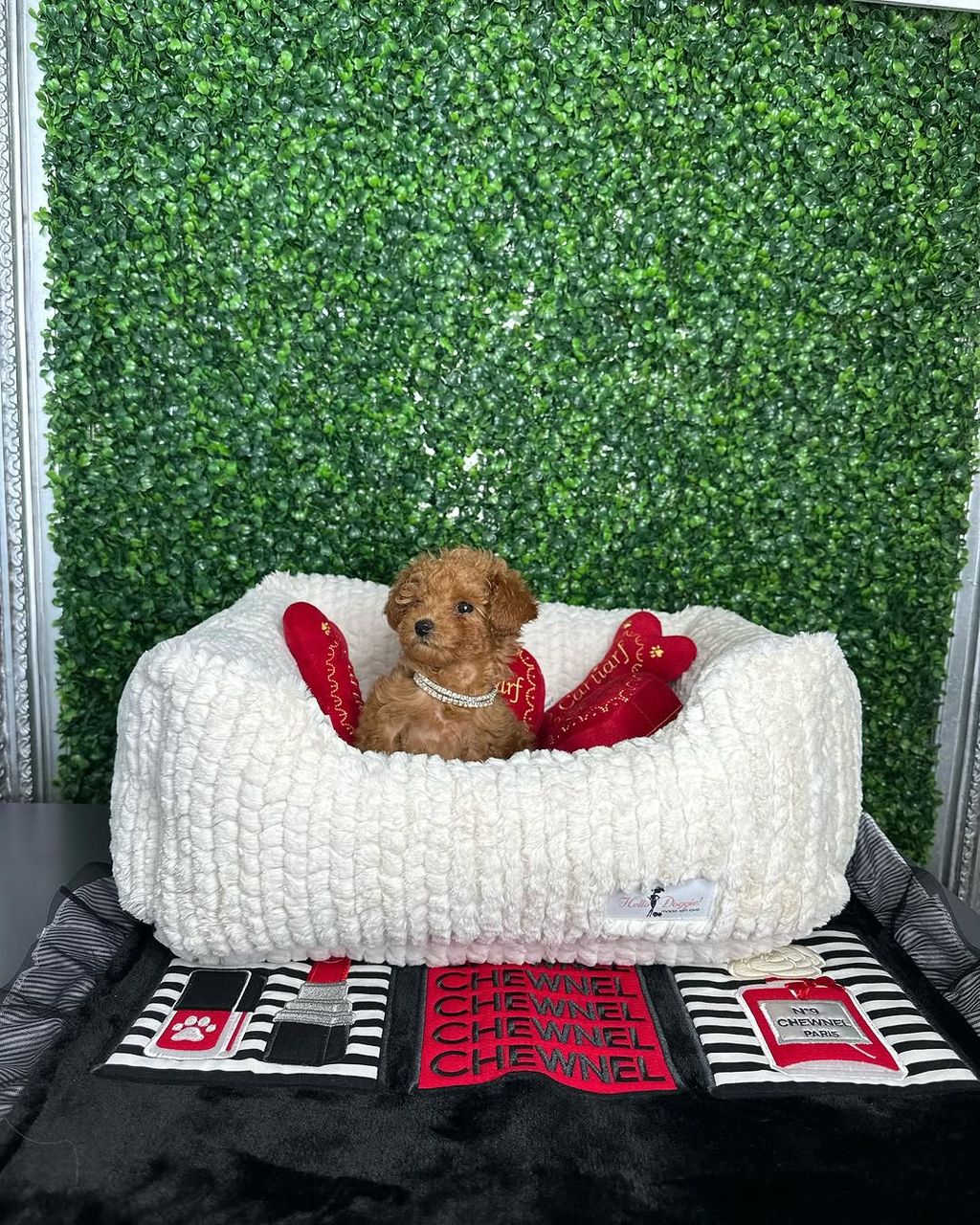

Poodle Hypoallergenic: Everything You Need to Know
The term Poodle Hypoallergenic is one of the most searched phrases among prospective dog owners looking for a breed that may be easier to live with if someone in the household has allergies. While no dog is completely hypoallergenic, Poodles are widely recognized as one of the most allergy-friendly breeds because of their low-shedding, curly coats.
Whether you’re interested in a Toy, Miniature, or Standard Poodle, understanding how their coat works and how to properly care for it will help you make an informed decision.
Why Is the Poodle Hypoallergenic?
When people search for Poodle Hypoallergenic, they are usually asking whether Poodles produce fewer allergens than other breeds.
Poodles are considered allergy-friendly because they:
- Shed very little hair
- Have dense, curly coats that trap loose fur
- Release less dander into the environment than many breeds
- Produce less airborne hair around the home
- Benefit from regular grooming that helps reduce loose hair
Although these qualities can help allergy sufferers, individual reactions vary, and no breed is entirely free of allergens.
What Causes Dog Allergies?
Understanding allergies helps explain why the Poodle Hypoallergenic reputation exists.
Most people are allergic to proteins found in:
- Skin dander
- Saliva
- Urine
Dog hair itself is not usually the allergen. Instead, hair carries these proteins. Since Poodles shed less than many other breeds, fewer allergens may spread throughout the home.
Grooming Supports the Poodle Hypoallergenic Coat
Routine grooming is essential for maintaining a healthy Poodle coat.
A proper grooming routine includes:
- Brushing several times each week
- Professional grooming every four to eight weeks
- Routine bathing
- Ear cleaning
- Nail trimming
- Daily dental care
Regular grooming removes trapped hair and dander while keeping the coat soft, healthy, and free of mats.
Choosing the Right Poodle Size
The Poodle Hypoallergenic qualities are shared across all three recognized sizes.
Toy Poodle
Ideal for apartments and smaller living spaces while providing the same intelligent personality.
Miniature Poodle
A great choice for families wanting a slightly larger companion that remains easy to manage.
Standard Poodle
Perfect for active families looking for a larger dog that is athletic, loyal, and highly trainable.
Each size has similar coat characteristics, so your decision should be based on lifestyle rather than allergy concerns.
Nutrition Helps Maintain Healthy Skin
Healthy skin supports a healthy coat and may help reduce excessive dander.
Choose food containing:
- High-quality protein
- Healthy fats
- Essential vitamins
- Omega-3 fatty acids
- Omega-6 fatty acids
- Natural antioxidants
Always provide fresh water and consult your veterinarian about the best diet for your Poodle.
Routine Veterinary Care
Preventive healthcare plays an important role in maintaining your dog’s overall condition.
Routine care includes:
- Wellness examinations
- Vaccinations
- Parasite prevention
- Dental evaluations
- Skin and coat assessments
- Weight monitoring
Healthy skin and coat condition contribute to a cleaner, healthier environment for both you and your dog.
Tips for Allergy-Friendly Living
If someone in your household has mild allergies, these habits may help reduce allergens:
- Vacuum regularly using a HEPA filter.
- Wash your Poodle’s bedding frequently.
- Groom your dog on a consistent schedule.
- Brush outdoors whenever possible.
- Wash your hands after handling your dog.
- Keep your home well ventilated.
These simple practices help maintain a cleaner living environment.
Choosing a Responsible Breeder
When searching for a Poodle, choose breeders who prioritize health and temperament.
A responsible breeder should provide:
- Veterinary health records
- Vaccination history
- Early socialization
- Clean facilities
- Health screenings
- Ongoing support after adoption
A healthy puppy raised responsibly is more likely to become a confident and well-adjusted companion.
Frequently Asked Questions
Is a Poodle completely hypoallergenic?
No. No dog breed is completely hypoallergenic. However, Poodles are among the most allergy-friendly breeds because of their low-shedding coats.
Do Poodles shed?
Yes, but they shed very little compared to many other breeds. Most loose hair remains trapped within their curly coat until brushed.
Which Poodle size is best for allergy sufferers?
Toy, Miniature, and Standard Poodles all share similar coat characteristics. The best size depends on your home, activity level, and lifestyle.
How often should a Poodle be groomed?
Most Poodles benefit from brushing several times weekly and professional grooming every four to eight weeks.
Final Thoughts
The Poodle Hypoallergenic reputation is well deserved because Poodles shed very little and produce less loose hair than many other breeds. While no dog is completely hypoallergenic, regular grooming, quality nutrition, routine veterinary care, and responsible ownership can help create a cleaner environment for allergy-conscious families.
Whether you choose a Toy, Miniature, or Standard Poodle, you’ll enjoy an intelligent, loyal, and affectionate companion that fits beautifully into many different lifestyles.
DoFollow External Resources
- American Kennel Club (AKC): https://www.akc.org/
- Poodle Club of America: https://poodleclubofamerica.org/
- American Veterinary Medical Association (AVMA): https://www.avma.org/
- World Small Animal Veterinary Association (WSAVA): https://wsava.org/
