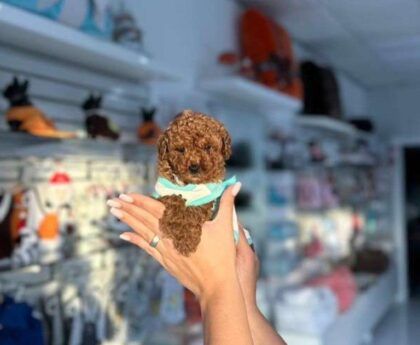
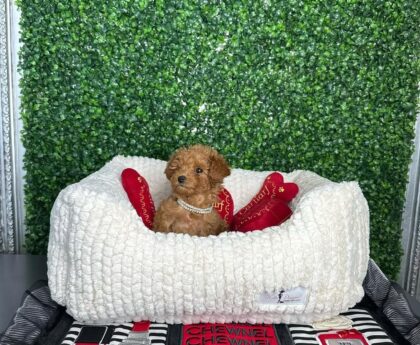
Toy Poodle and Teacup Poodle: A Complete Guide
The Toy Poodle and Teacup Poodle are two of the most admired companion dogs because of their intelligence, affectionate personalities, and elegant appearance. While the Toy Poodle is an officially recognized size, the term “Teacup Poodle” is commonly used to describe exceptionally small Toy Poodles. Although they share many characteristics, understanding their similarities and differences helps you choose the right puppy for your lifestyle.
Why the Toy Poodle and Teacup Poodle Are So Popular
Families around the world love the Toy Poodle and Teacup Poodle for many reasons.
Some of their outstanding qualities include:
- Highly intelligent
- Loving and loyal
- Low-shedding curly coats
- Compact size
- Easy to train
- Friendly with children
- Excellent apartment companions
- Long lifespan with proper care
Their cheerful personalities make them wonderful companions for individuals and families alike.
Understanding the Difference
Although closely related, there are important distinctions.
Toy Poodle
The Toy Poodle is recognized by major kennel clubs and typically stands up to 10 inches tall. These dogs are energetic, confident, and eager to learn.
Teacup Poodle
A Teacup Poodle is generally an exceptionally small Toy Poodle. “Teacup” is not an official breed classification, so buyers should focus on health and ethical breeding rather than size alone.
Choosing a Healthy Toy Poodle and Teacup Poodle
When searching for a Toy Poodle and Teacup Poodle, always choose a breeder who prioritizes puppy health and proper development.
Look for:
- Veterinary health records
- Current vaccinations
- Deworming history
- Health screenings
- Early socialization
- Clean breeding facilities
Healthy puppies are more likely to become confident and well-adjusted companions.
Nutrition and Daily Care
Both the Toy Poodle and Teacup Poodle thrive on balanced nutrition.
Choose food that includes:
- High-quality protein
- Healthy fats
- Essential vitamins
- Minerals
- DHA for brain development
- Omega-3 and Omega-6 fatty acids
Always provide clean drinking water and consult your veterinarian for feeding recommendations based on age and activity level.
Grooming Requirements
The curly coat requires regular maintenance.
A healthy grooming routine includes:
- Brushing several times each week
- Professional grooming every 4–8 weeks
- Routine bathing
- Ear cleaning
- Nail trimming
- Daily dental care
Proper grooming helps prevent matting while keeping the coat soft and healthy.
Training and Socialization
The Toy Poodle and Teacup Poodle are among the easiest dog breeds to train because they are intelligent and eager to please.
Begin with:
- Sit
- Stay
- Come
- Potty training
- Crate training
- Loose-leash walking
Positive reinforcement builds confidence while strengthening the relationship between puppy and owner.
Early socialization with people, pets, and new environments encourages calm and friendly behavior.
Health Considerations
Routine veterinary care supports lifelong health.
Recommended preventive care includes:
- Wellness examinations
- Vaccinations
- Parasite prevention
- Dental checkups
- Weight monitoring
Because very small dogs can be more delicate, gentle handling and regular veterinary guidance are especially important.
Is the Toy Poodle and Teacup Poodle Right for You?
These breeds are excellent choices if you want a dog that is:
- Intelligent
- Affectionate
- Easy to train
- Low shedding
- Adaptable to small homes
- Loyal and family-oriented
Choosing a puppy based on health, temperament, and responsible breeding practices is far more important than selecting one based only on size.
Frequently Asked Questions
Is a Teacup Poodle officially recognized?
No. The term “Teacup Poodle” is commonly used for exceptionally small Toy Poodles but is not an official breed size recognized by major kennel clubs.
Do Toy Poodles shed?
Toy Poodles are considered low-shedding dogs, although regular grooming is necessary to maintain their curly coats.
Are they suitable for first-time owners?
Yes. Their intelligence, friendly nature, and trainability make them excellent companions for many first-time dog owners.
How often should they be groomed?
Most Toy Poodles benefit from brushing several times weekly and professional grooming every four to eight weeks.
Final Thoughts
The Toy Poodle and Teacup Poodle remain among the most beloved companion dogs because of their intelligence, affectionate personalities, and adaptable nature. Whether you prefer the officially recognized Toy Poodle or an exceptionally small Teacup Poodle, responsible breeding and proper care are the keys to a healthy, happy companion.
By providing quality nutrition, regular veterinary care, routine grooming, early training, and plenty of love, you’ll enjoy many years with a loyal and devoted family member.
DoFollow External Resources
- American Kennel Club (AKC): https://www.akc.org/
- Poodle Club of America: https://poodleclubofamerica.org/
- American Veterinary Medical Association (AVMA): https://www.avma.org/
- World Small Animal Veterinary Association (WSAVA): https://wsava.org/